
 Applications
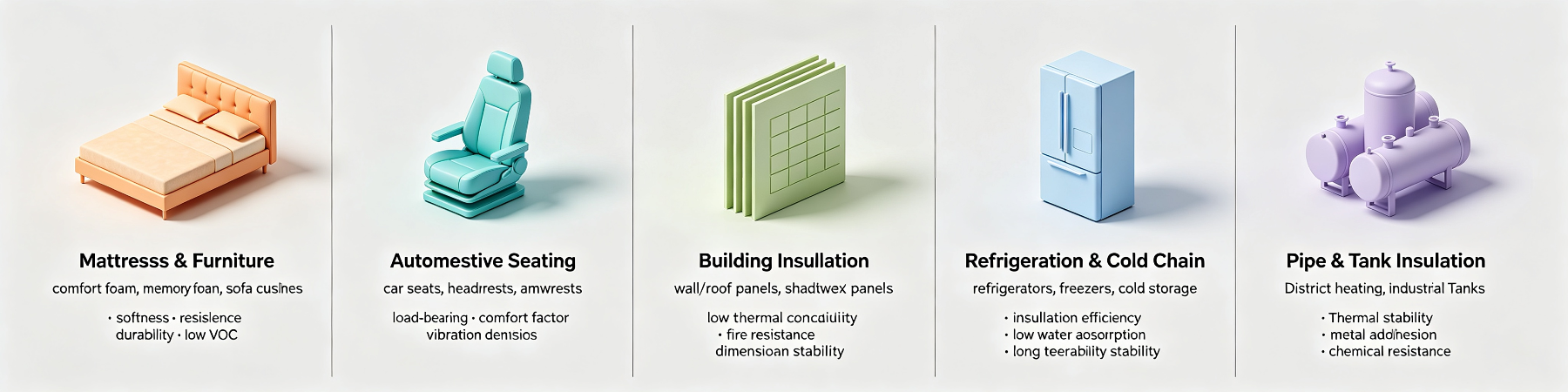
 Polyurethane Foam is the largest application segment of the global PU industry, ranging from soft cushioning in mattresses and furniture to rigid high-efficiency insulation in buildings and refrigeration.
FINEMAX CHEM supplies a complete portfolio of raw materials for flexible slabstock, molded high-resilience, and rigid insulation foam — including standard polyether polyols, grafted POP, TDI, and TCPP flame retardant.
Whether you produce slabstock foam for mattresses, molded high-resilience foam for automotive seating, or rigid foam for building insulation panels, our integrated product range and technical expertise help you achieve consistent cell structure, optimized density, reliable mechanical performance, and cost-effective production.
Application
Common Production Challenges
No. | Challenge & Impact | Cause | Raw Material Solution |
1 | Inconsistent density and hardness across blocks — customer complaints, material waste. | Polyether hydroxyl value fluctuation, broad molecular weight distribution, unstable TDI isomer ratio. | Use narrow-MWD polyether (PDI<1.1); control hydroxyl value tolerance ±2 mg KOH/g; specify stable T-80 TDI with consistent 80/20 isomer ratio; require COA for every batch. |
2 | Foam collapse or shrinkage during curing — production losses, dimensional instability. | Inconsistent polyether reactivity, catalyst imbalance, excessive moisture in polyol. | Specify high-reactivity grade polyether with controlled primary hydroxyl content; ensure moisture <0.05%; select polyether with consistent reactivity index; provide formulation guidance on catalyst balance. |
3 | Poor cell structure (coarse cells, voids) — reduced mechanical properties, aesthetic defects. | Broad polyether MWD, high unsaturation, silicone surfactant incompatibility. | Use low-unsaturation polyether (<0.05 meq/g); narrow MWD for uniform cell nucleation; ensure consistent hydroxyl value; recommend compatible silicone surfactant grade. |
4 | Discoloration / yellowing of white foam — aesthetic rejection for mattress and furniture. | Insufficient antioxidant in polyether, high TDI acidity, metal ion impurities. | Specify polyether with BHT antioxidant additive; require low-acidity TDI (<0.005% HCl); use low-metal-ion polyether; recommend UV absorber additives for light-stable foam. |
5 | Insufficient load-bearing in HR foam — seating comfort complaints, premature sagging. | Insufficient POP solid content, broad SAN particle size distribution, low base polyether functionality. | Use high-solid POP (30–45% SAN) with uniform particle size; select high-activity base polyether; ensure POP dispersion stability; recommend optimized POP/base polyol ratio. |
6 | Flammability non-compliance — fails TB 117, FMVSS 302, EN 13501. | Insufficient TCPP loading, low-purity TCPP with uneven distribution, lack of synergist. | Use high-purity TCPP (≥99.5%) at optimized loading (5–15 php depending on standard); recommend melamine or APP synergist for higher fire ratings; ensure uniform TCPP dispersion in polyol premix. |
7 | Rigid foam thermal conductivity drift over time — insulation performance degradation. | High open-cell ratio, blowing agent diffusion, poor dimensional stability from low crosslink density. | Use high-functionality polyether (4–8) for high closed-cell ratio (>90%); select low-gas-permeability polyether; ensure dimensional stability <2% at -30°C to +80°C; recommend optimized blowing agent system. |
Recommended Raw Materials
Polyether Polyol For Foam — Base polyol (soft segment)
Key applications: Mattresses & Furniture, Automotive Seating (base), Building Insulation (rigid grade), Refrigeration.
Solves: Inconsistent density/hardness, foam collapse/shrinkage, poor cell structure.
Standard polyether triol with controlled molecular weight and hydroxyl value. Excellent foam stability, uniform cell structure, consistent reactivity. Available in various functionalities (2–3 for flexible, 4–8 for rigid) for different hardness and density requirements. Low unsaturation (<0.05 meq/g) ensures improved physical properties.
Grafted Polyether Polyol (POP) — High-load-bearing polyol
Key applications: Automotive Seating, premium Furniture (molded HR foam).
Solves: Insufficient load-bearing in HR foam, premature sagging.
SAN copolymer particle-dispersed polyol that significantly increases load-bearing capacity and comfort factor (SAG factor). Essential for automotive seating and premium furniture. Available in 10%–45% solid content with uniform SAN particle size for consistent performance.
TDI (Toluene Diisocyanate) — Isocyanate crosslinker
Key applications: All flexible foam (slabstock, molded HR), some rigid foam systems.
Solves: Inconsistent curing, foam collapse, discoloration (low-acid grade resolves).
T-80 grade (80% 2,4 / 20% 2,6 isomer) is the industry standard for flexible foam; T-100 for higher-modulus formulations. Balanced reactivity, good foam rise, consistent curing. Low-acidity grade (<0.005% HCl) available for white foam applications.
TCPP — Flame-retardant additive
Key applications: Building Insulation, Refrigeration, Pipe Insulation (rigid foam); Furniture, Automotive (flexible foam).
Solves: Flammability non-compliance, high loading requirement (high-purity grade reduces dosage).
Halogenated phosphate ester for self-extinguishing flexible and rigid foam. High purity (≥99.5%) ensures uniform dispersion and efficient flame suppression. Meets TB 117, FMVSS 302, EN 13501 without compromising physical properties. Typical loading: 5–15 php.

Get a Quote
Tell us your foam type (flexible / molded HR / rigid), target density and hardness, application, production process, blowing agent, and monthly volume — we'll recommend the right raw material combination and quote.

Building 8, Capital Airport International Center, No. 6 Changcheng South Road, Qingdao,Shandong Province, China



 Mobile
 wechat
 whatsapp






 Get in touch

 Language

 Back
Back
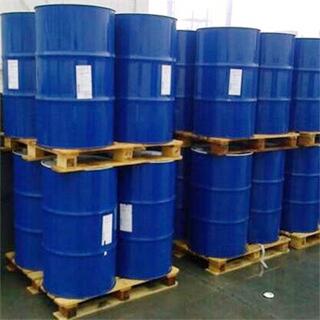

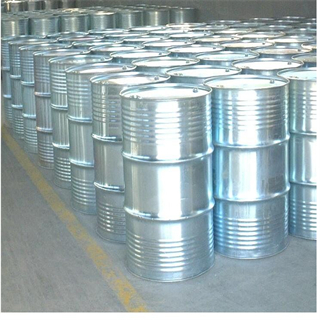
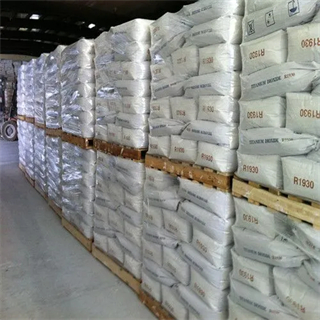
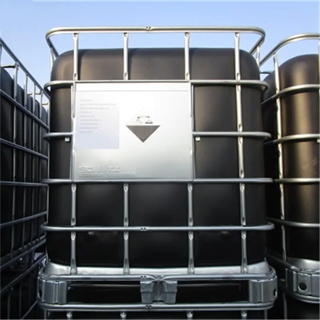
 Application of polyurethane materials